Environmental Conservation in The Bahamas: Balancing Tourism and Sustainability
The Bahamas, a stunning archipelago of 700 islands and over 2,000 cays, boasts some of the most breathtaking natural environments in the world. Its turquoise waters, white sandy beaches, coral reefs, and unique biodiversity have made it a global tourist destination. Tourism is the economic lifeblood of The Bahamas, contributing to over 50% of its Gross Domestic Product (GDP) and employing a large portion of the population. However, this reliance on tourism brings with it significant environmental challenges. The Bahamas faces the daunting task of balancing its need for tourism-driven economic growth with the imperative of environmental conservation and sustainability.
This article explores the current state of environmental conservation in The Bahamas, the pressures exerted by tourism, the country's natural resources, and the ways in which the nation is working toward sustainable development while preserving its unique ecosystems.
The Importance of Environmental Conservation in The Bahamas
The Bahamas' environment is its greatest asset. The crystal-clear waters of the Atlantic Ocean, teeming with marine life, are home to coral reefs, mangroves, and seagrass meadows. These ecosystems are not only visually stunning, but they also play a vital role in maintaining the ecological balance, protecting coastlines from erosion, and supporting local fisheries, which provide food and income for many Bahamians.
However, these ecosystems are incredibly fragile and vulnerable to environmental degradation caused by human activity. The effects of climate change, including rising sea levels, coral bleaching, and increased frequency of hurricanes, further worsening these challenges.
Environmental conservation in The Bahamas is not just a moral obligation or a matter of preserving natural beauty—it is crucial for the survival of the nation's economy and communities. Without a healthy environment, the tourism industry would collapse, and the livelihoods of thousands of Bahamians would be jeopardized. Conservation efforts aim to protect this natural wealth while addressing the threats posed by unchecked tourism and other human activities.
The Role of Tourism in The Bahamas' Economy
Tourism is the backbone of The Bahamas' economy. Each year, millions of visitors from around the world flock to the islands to enjoy luxury resorts, snorkeling, diving, fishing, and yachting. The tourism sector generates significant foreign exchange earnings, supports infrastructure development , and creates employment opportunities across the archipelago.
The most popular tourist destinations, such as Nassau, Paradise Island, and the Exumas, are also the locations most at risk from overdevelopment and environmental degradation. Large-scale resorts, cruise ship ports, and recreational activities often strain local ecosystems. The need to provide water, food, and energy for tourists further stresses the environment.
While the benefits of tourism are undeniable, the industry also creates environmental pressures. Coastal areas are often developed with little regard for sustainable practices, leading to habitat destruction, pollution, and the depletion of natural resources. Waste management, sewage disposal, and the carbon footprint of tourism-related infrastructure are additional challenges that The Bahamas faces.
Environmental Challenges in The Bahamas
The Bahamas is confronted with several pressing environmental challenges, many of which are linked to tourism and development. Key issues include habitat destruction, coral reef damage, overfishing, pollution, and climate change.
1. Coral Reef Degradation
Coral reefs are some of the most important and highly vulnerable ecosystems in The Bahamas. They provide habitats for marine species, support fisheries, and attract tourists interested in snorkeling and diving. However, coral reefs are sensitive to changes in water temperature, pollution, and physical damage from boats and human activity.
Tourism-related activities, such as reef walking, anchoring, and irresponsible diving practices, contribute to coral reef degradation. Climate change also poses a significant threat, with rising ocean temperatures causing coral bleaching, where corals expel the algae living in their tissues, turning white and leaving them vulnerable to disease and death. The loss of coral reefs would not only impact marine biodiversity but would also reduce the islands' appeal as a tourist destination.
2. Habitat Destruction and Coastal Development
The rapid expansion of hotels, resorts, and vacation homes along the coastlines of The Bahamas has led to the destruction of critical habitats such as mangroves, seagrass beds, and wetlands. Mangroves, in particular, play a vital role in protecting shorelines from erosion, filtering pollutants, and providing breeding grounds for fish and other marine life. The loss of mangrove forests due to coastal development worsens the vulnerability of The Bahamas to hurricanes and sea-level rise.
The construction of tourist infrastructure often involves dredging, land reclamation, and the destruction of natural landscapes, leading to habitat fragmentation and loss of biodiversity. This not only impacts wildlife but also diminishes the aesthetic and ecological value of the islands.
3.Pollution and Waste Management
Tourism generates significant amounts of waste, from plastic pollution to sewage and wastewater. The influx of tourists increases the demand for goods and services, which in turn generates waste that the islands' limited infrastructure struggles to manage. Improper waste disposal can lead to the contamination of groundwater, soil, and marine ecosystems.
Marine pollution is a particular concern, with plastic waste and oil spills posing threats to marine life. Cruise ships, a major contributor to tourism in The Bahamas, produce large amounts of waste, including sewage, chemicals, and solid waste, which can end up in the ocean if not properly managed. This pollution threatens marine species, including dolphins, turtles, and fish, and can impact the quality of the marine environment that tourists come to experience.
4. Overfishing and Resource Depletion
The rich marine biodiversity of The Bahamas supports both commercial and subsistence fishing, providing a source of income and food for local communities. However, overfishing, driven by both local demand and tourism, is depleting fish stocks and threatening the health of marine ecosystems. Popular species such as grouper, snapper, and lobster are at risk of being overexploited.
Tourist demand for fresh seafood contributes to overfishing, while activities such as sportfishing and illegal fishing exacerbate the problem. The depletion of marine resources not only affects biodiversity but also threatens the sustainability of local fisheries and the food security of Bahamians.
5. Climate Change
The Bahamas is particularly vulnerable to the impacts of climate change. Rising sea levels, more frequent and intense hurricanes, and changing weather patterns threaten the islands' infrastructure, economy, and ecosystems. Coastal erosion, saltwater intrusion into freshwater aquifers, and damage to coral reefs and mangroves are some of the direct consequences of climate change that The Bahamas is already experiencing.
As a low-lying island nation, The Bahamas faces the existential threat of rising seas, which could submerge large parts of its landmass. Climate change also threatens the tourism industry, as damaged infrastructure, degraded ecosystems, and extreme weather events deter visitors and increase the costs of recovery and adaptation.
Efforts to Balance Tourism and Sustainability
Despite the challenges, The Bahamas is taking steps toward balancing tourism with environmental conservation and sustainability. Various government policies, conservation initiatives, and community-based efforts aim to protect the islands' natural resources while promoting sustainable tourism practices.
1. Marine Protected Areas (MPAs)
One of the most significant efforts to conserve marine biodiversity in The Bahamas is the establishment of Marine Protected Areas (MPAs). These designated areas restrict certain activities, such as fishing, mining, and tourism development, to preserve critical habitats and protect marine species. The Bahamas has committed to protecting at least 20% of its marine environment by 2020, with notable MPAs including the Exuma Cays Land and Sea Park and the Andros Barrier Reef.
MPAs play a crucial role in safeguarding coral reefs, seagrass meadows, and mangroves, providing refuge for marine species and allowing ecosystems to recover from human-induced pressures. By maintaining healthy marine environments, The Bahamas ensures the long-term sustainability of its tourism industry, as tourists continue to be drawn to the natural beauty and biodiversity of the islands.
2. Sustainable Tourism Practices
The Bahamian government and various stakeholders in the tourism industry are increasingly recognizing the importance of promoting sustainable tourism practices. Efforts to reduce the environmental footprint of tourism include encouraging eco-friendly resorts, implementing waste reduction strategies, and promoting responsible tourist behavior.
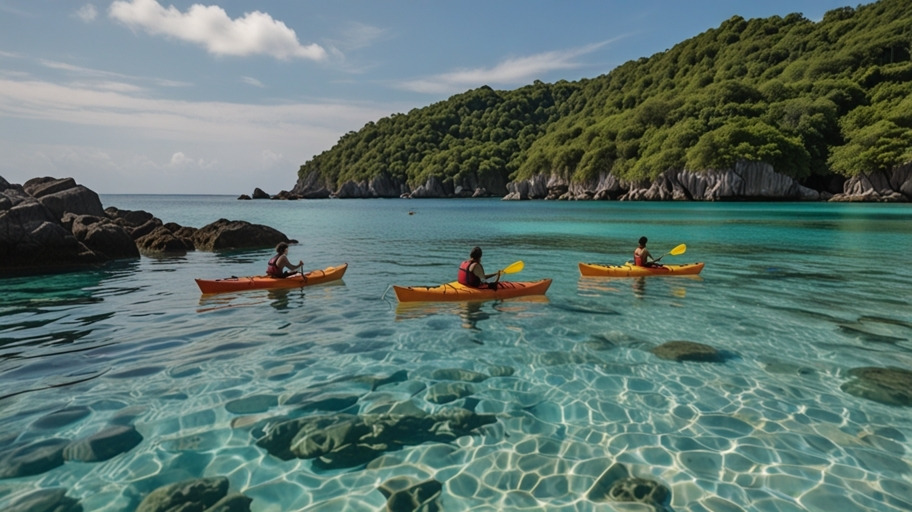
Eco-tourism, which emphasizes low-impact travel and supports conservation efforts, is gaining traction in The Bahamas. Small-scale eco-lodges, nature-based tours, and sustainable marine activities, such as kayaking, birdwatching, and snorkeling in MPAs, offer tourists an alternative to mass tourism while minimizing environmental harm.
In addition, initiatives such as the Bahamas National Trust’s "Conchservation" campaign aim to educate tourists and locals about the importance of preserving endangered species, such as the queen conch, and promoting sustainable seafood consumption.
3. Climate Change Adaptation and Mitigation
Given its vulnerability to climate change, The Bahamas is investing in adaptation and mitigation strategies to protect its environment and economy. The government has developed a National Climate Adaptation Policy, which includes measures to enhance coastal resilience, protect water resources, and promote sustainable agriculture and fisheries.
Efforts to mitigate the impacts of climate change also include the promotion of renewable energy sources, such as solar and wind power, to reduce the nation's reliance on fossil fuels. By transitioning to cleaner energy, The Bahamas aims to reduce its carbon footprint and contribute to global efforts to combat climate change.
4. Public Awareness and Education
Environmental conservation efforts in The Bahamas also rely on raising public awareness and fostering a culture of environmental stewardship. Government agencies, non-governmental organizations (NGOs), and community groups are actively involved in educating both locals and tourists about the importance of protecting the islands' natural resources.
Programs such as the Bahamas Reef Environment Educational Foundation (BREEF) engage schools, communities, and visitors in conservation activities, such as beach cleanups, coral restoration projects, and educational workshops. These initiatives aim to instill a sense of responsibility toward the environment and encourage sustainable practices at both the individual and community levels.
Conclusion
The Bahamas faces the challenging task of balancing the demands of a thriving tourism industry with the need to protect its fragile environment. While tourism provides vital economic benefits, it also exerts significant pressures on the islands' ecosystems and natural resources. Environmental conservation is essential not only for preserving the beauty and biodiversity of The Bahamas but also for ensuring the long-term sustainability of its tourism industry.
Through the establishment of Marine Protected Areas, the promotion of sustainable tourism practices, climate change adaptation, and public education, The Bahamas is making strides toward achieving a balance between economic growth and environmental protection. However, continued efforts are needed to address the complex challenges posed by climate change, habitat destruction, pollution, and overfishing. By prioritizing conservation and sustainability, The Bahamas can safeguard its natural heritage for future generations while maintaining its position as one of the world's premier tourist destinations.